

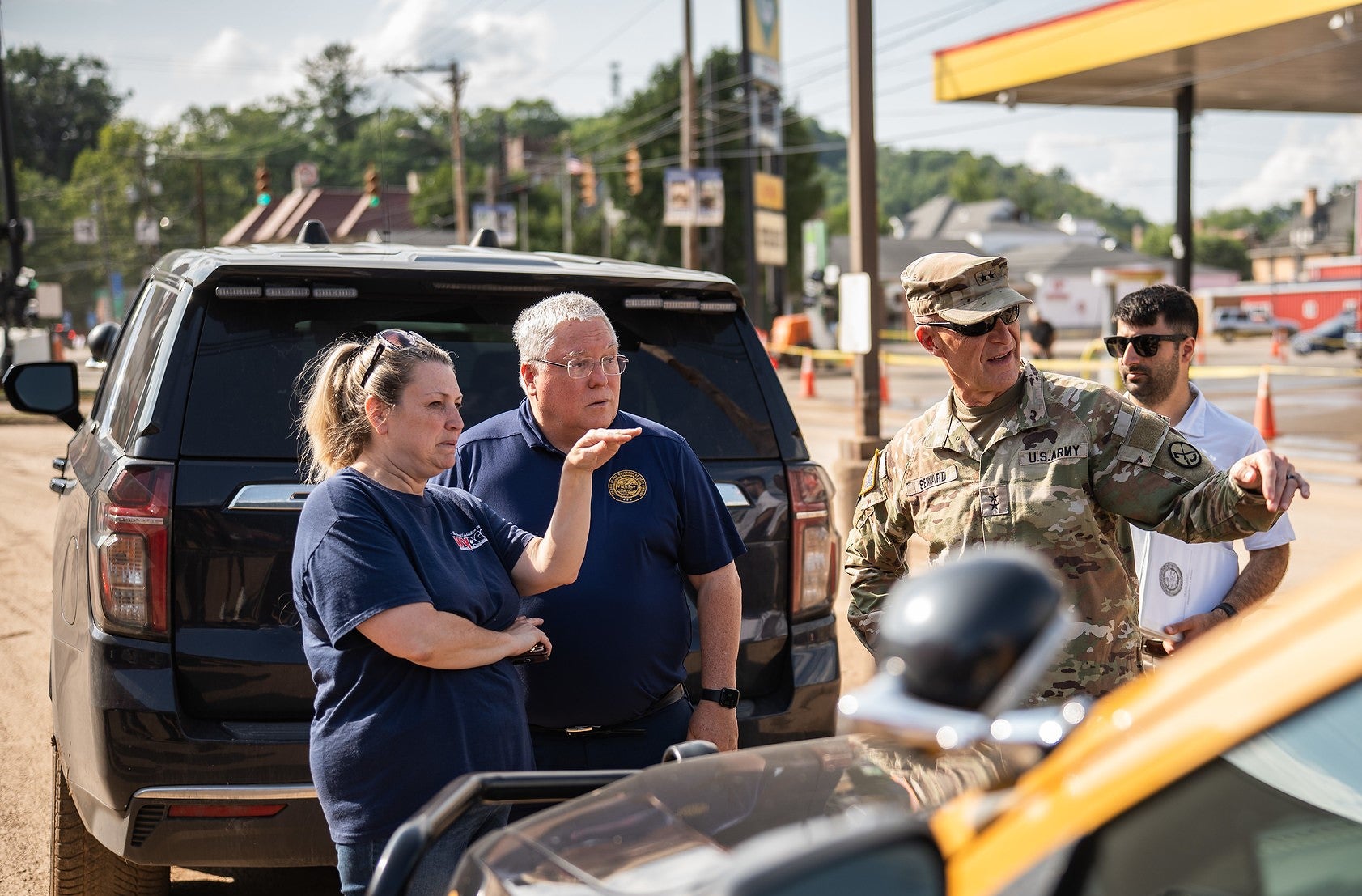
CHARLESTON, W.Va. - Governor Patrick Morrisey today announced the State of Emergency will be extended in 12 counties following the severe storms and flooding that struck West Virginia beginning July 21.
“West Virginians have made tremendous progress cleaning up and recovering from these storms, but there is still a lot of work ahead in some of our hardest-hit communities,” said Governor Morrisey. “This extension ensures our state and local partners have the flexibility and resources they need to rebuild and recover.”
The extension applies to Barbour, Doddridge, Harrison, Lewis, Pendleton, Pleasants, Randolph, Ritchie, Tucker, Tyler, Upshur, and Wetzel counties and will remain in effect through September 19 as recovery operations and damage assessments continue in those counties. The State of Emergency for the remaining 43 counties will expire August 20 as scheduled.
Local officials in a number of the affected counties requested the extension. Keeping the State of Emergency in place provides state and local officials with additional flexibility to respond quickly to recovery needs and provide communities with the assistance they need.
Governor Morrisey declared a State of Preparedness for all 55 counties on July 21 as severe storms moved across West Virginia before declaring a statewide State of Emergency later that evening. The storms brought damaging winds, torrential rainfall, flash flooding, and landslides that damaged homes, businesses, public infrastructure, and essential services across the state.
Since then, state and local agencies, emergency responders, the West Virginia National Guard, volunteers, and community organizations have worked together to remove debris, restore affected areas, assist displaced residents, and support recovery efforts.
While substantial progress has been made, emergency operations remain ongoing in the 12 counties covered by the extension. Residents and communities continue to face impacts to homes, businesses, infrastructure, and critical services that will require additional recovery work.
The extension allows state and local agencies to continue coordinating personnel, equipment, and other resources necessary to support relief and recovery operations in the affected counties.